Process
Location
Plantation
Process
Awards
Coffee Picking Process
Derived from the height of the farm, the cut is regularly made from the end of December to March of each year and is done by hand, by collaborators with vast experience.
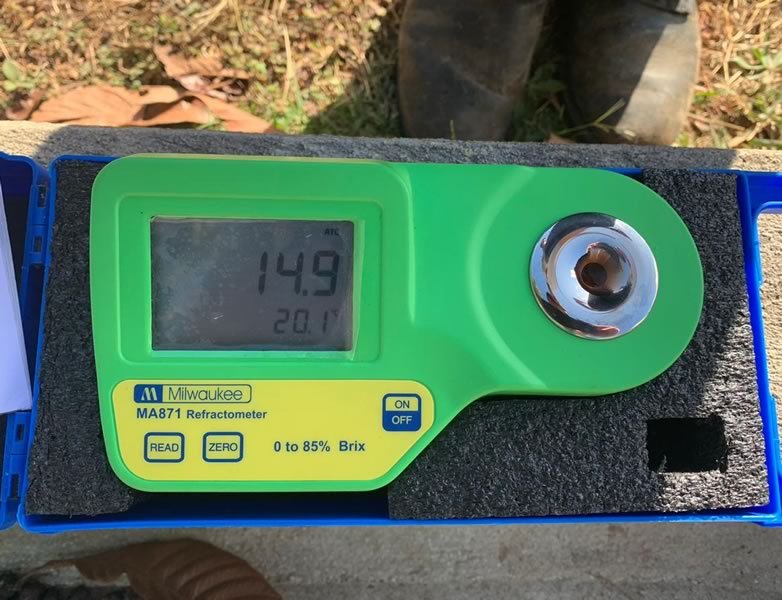
To determine the optimal cutting point, a digital refractometer is used, which allows measuring the brix degrees that ripe coffee has. Depending on the process to be carried out on the coffee (Natural, Honey or Washed), the ripening point of each cut is defined.
Natural Process
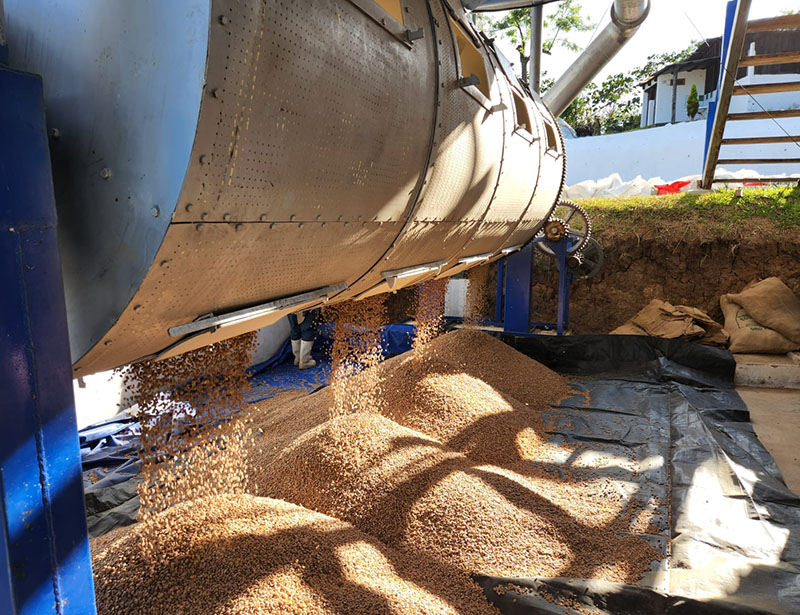
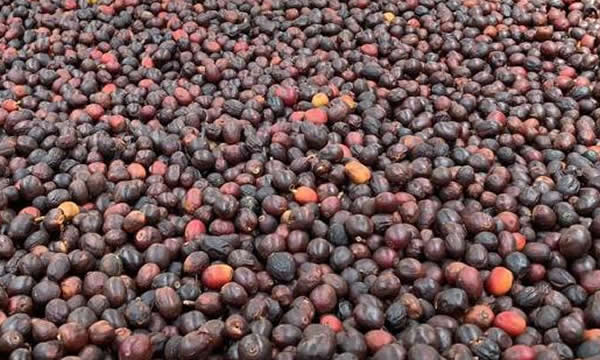
The main challenge of the Natural Drying is to avoid the fermentation of the ripe bean, which is achieved based on strict control of temperature, relative humidity, solar radiation, air circulation and movement of the mass of coffee beans.
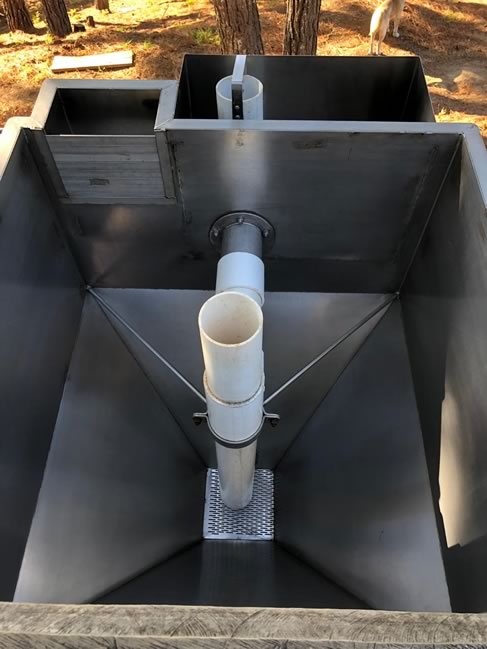
Siphon
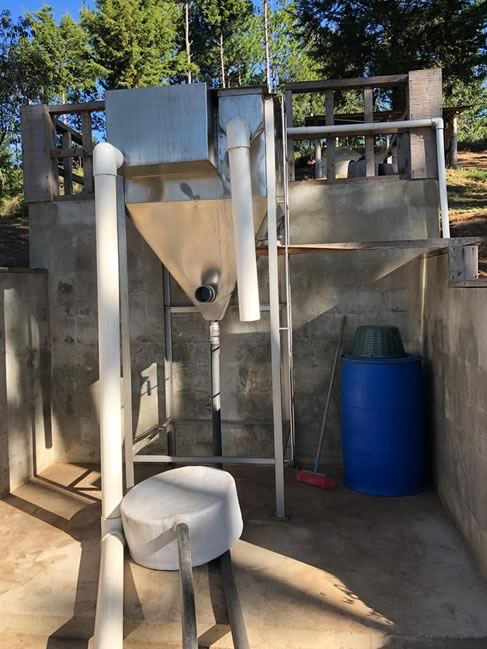
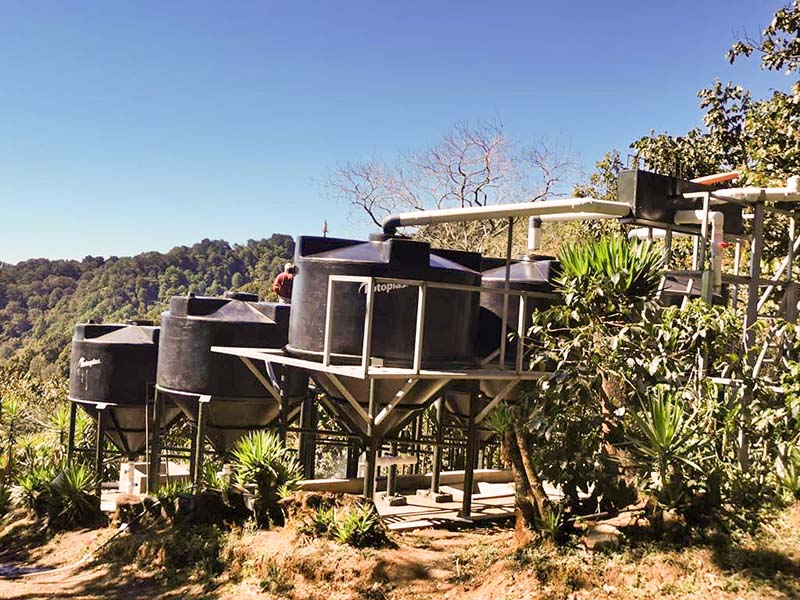
Made of stainless steel derived from the innocuousness of said material and is used to extract void and dry grains.
The water used for siphoning comes from internal springs. Likewise, to use the least amount of water possible, a multi-stage filter system is used (ring filter, sediment filter, activated carbon filter and ultraviolet light to destroy bacteria, avoiding the fermentation of coffee molasses. With this water treatment it is feasible to use it for-10 days).
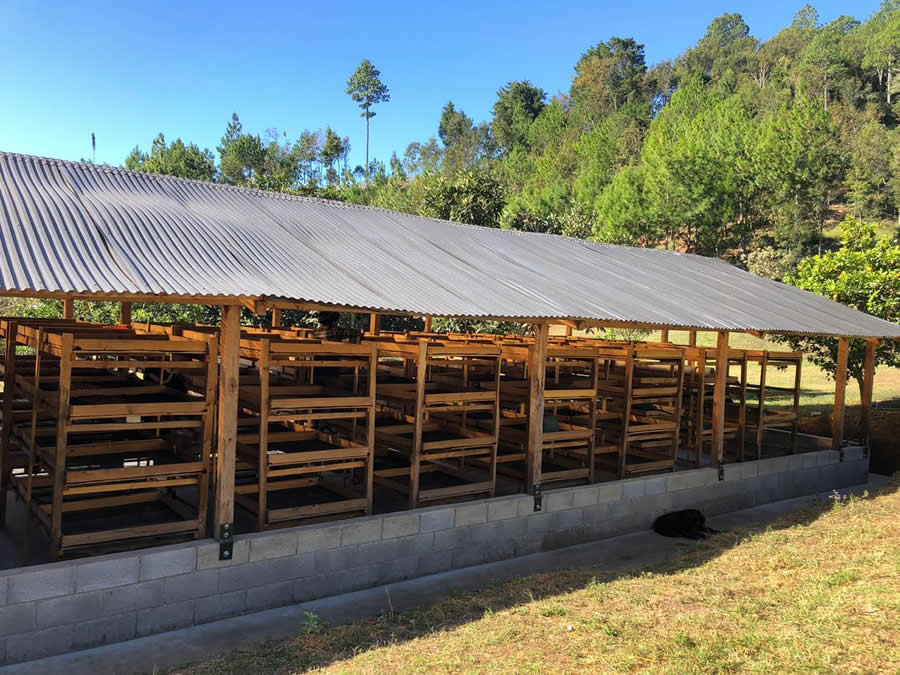
Greenhouses
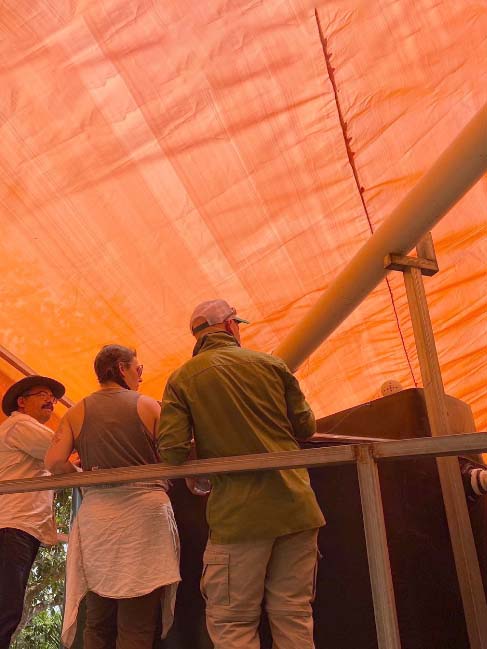
They are made of cypress wood, with a cement floor and a roof made of bronze polycarbonate sheets. To improve temperature and relative humidity control, folding curtains and a temperature/humidity data logger were installed.
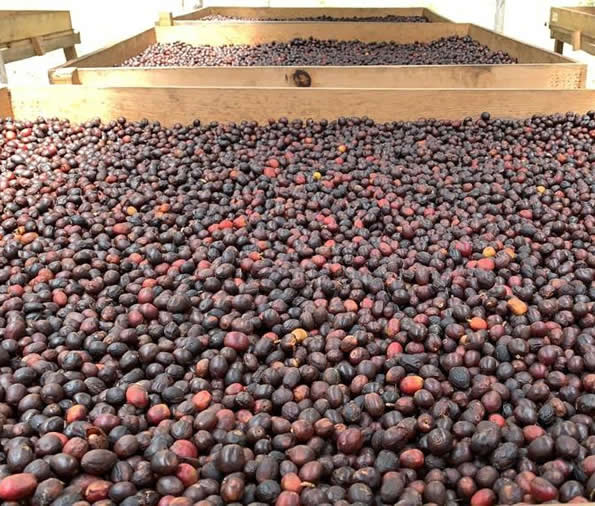
Drying Beds
They are beds that use the original concept of African (Ethiopian) beds, but were improved using pine wood and 40% Saran (to improve ventilation in the process).
After cutting the ripe coffee (which must have a brix indicator between 20-23), the coffee is deposited in the drying beds. The amount of coffee per bed has been studied to avoid fermentation and mold formation during the process.
The main challenge of the Natural Drying Mill is to avoid the fermentation of the mature bean, which is achieved based on strict control of temperature, relative humidity, solar radiation, air circulation and movement of the mass of coffee beans.
The Natural Drying process to end with a coffee bean with a moisture content between 10.7-11.0% (at this humidity, the coffee bean goes into dormancy and stops losing weight), takes approximately 30-40 days. depending on the weather conditions in the area. Faster processes can damage the organoleptic characteristics of the grains, a derivative that extracts moisture at rates higher than those recommended.
Natural Drying uses less water for its process and has an extremely low carbon footprint compared to a wet mill process.

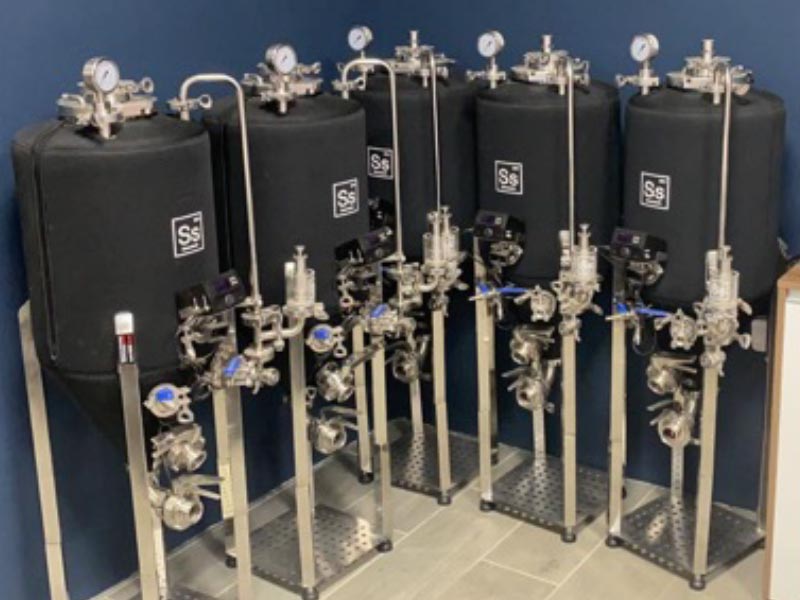
Fermentation Processes
We experiment with controlled fermentation processes, at different temperatures, pressures and variations over time, guaranteeing procedures without the presence of oxygen, in order to achieve better characteristics in the cup.



Stabilization and Homogenization
Equilibrium Humidity
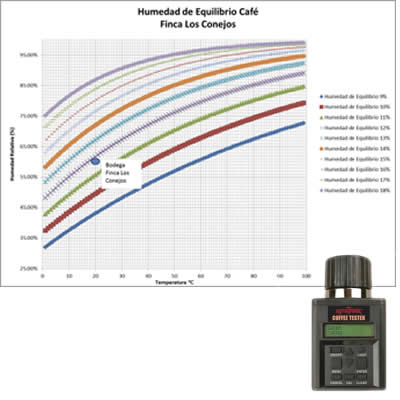
It is the percentage of humidity at which the coffee deposited in a warehouse does not gain or lose moisture. To determine the equilibrium humidity of a cellar, the temperature and relative humidity of the warehouse must be measured. The farm’s cellar is at 23° Celsius and 56% relative humidity, having an Equilibrium Humidity of approximately 10.75%. This factor is measured at various points in the process using the Agratronix Coffee Moisture Tester Model 08150.
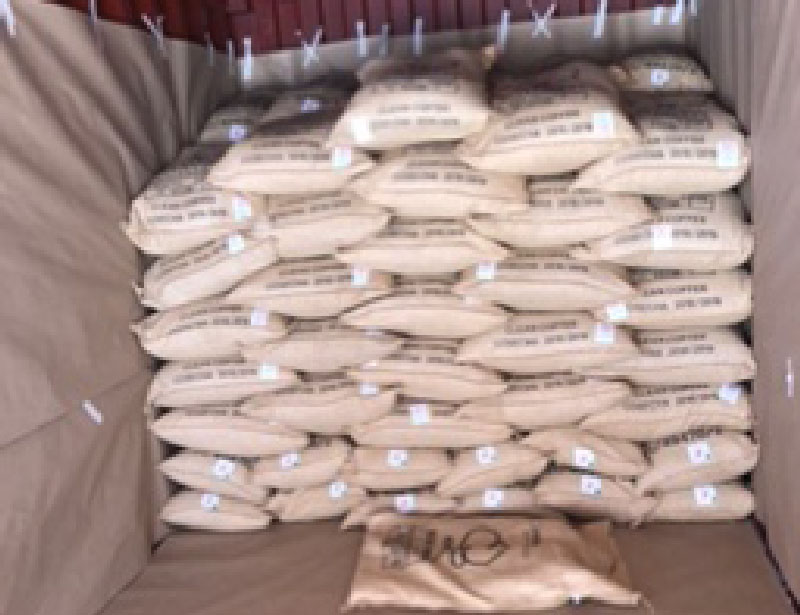
Depending on the customer’s requirements and their particular storage conditions, the coffee is stored between 10.7-11.0% humidity and begins a stabilization and homogenization process that regularly takes 45-60 days. After this period, it is certain that most of the grains are at the Equilibrium Humidity of the cellar and are ready to be dispatched.
Pulp Use
The use of our pulp is guaranteed, since only copper and surround are applied to it.
At present, the coffee pulp obtained after threshing a grain processed in a Natural Drying Mill has a growing market and is being considered as an exclusive and exotic drink in certain countries; as well as its use as a seasoning for regional dishes.
It is also used in the following ways:
Dry Pulp: it is used as a substitute for tea, derived from its high antioxidant content.
Lightly toasted pulp: it is used to make infusions that have a very mild taste and higher caffeine content, but higher antioxidant content. In some countries it is mixed with ginger and/or cinnamon.
Cupping
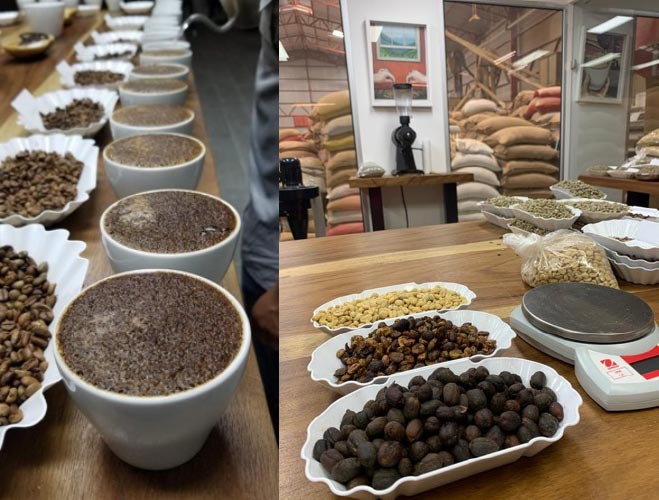
At Finca Los Conejos we specialize in making our Natural, Honey and Wash processes with the best quality control and in order to obtain coffees that have a standard quality and with an SCA score above 86 points.
ASK FOR YOUR SAMPLES